
Prioritizing Officer Safety in the Field as Fentanyl Fatalities Rise
Originally published in the online edition of Evidence Technology Magazine, Jan 2022.
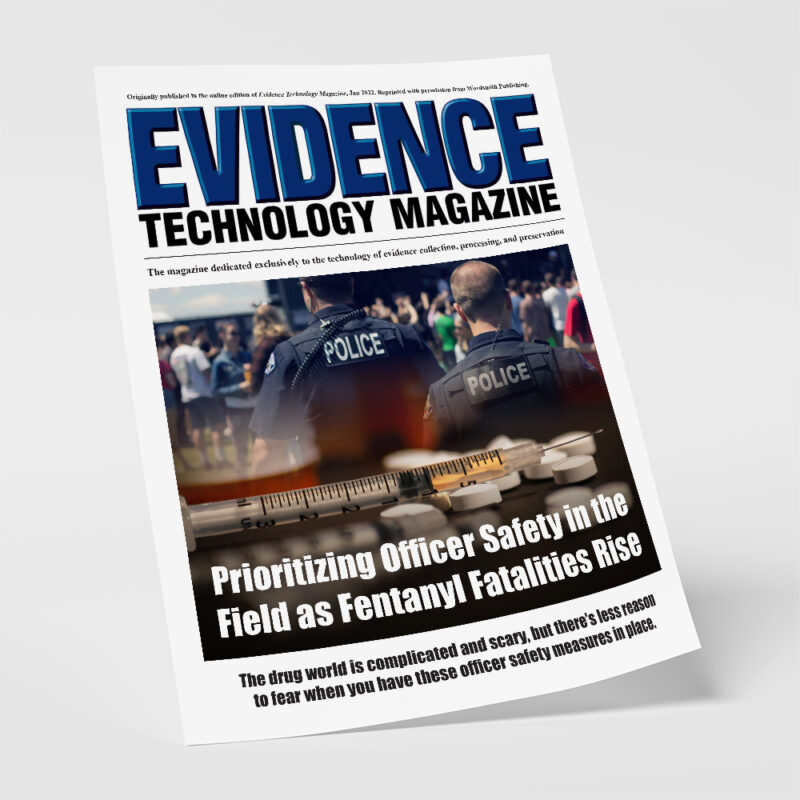
Originally published in the online edition of Evidence Technology Magazine, Jan 2022. Reprinted with permission from Wordsmith Publishing.
Evidence Technology Magazine
The magazine dedicated exclusively to the technology of evidence collection, processing, and preservation.

Prioritizing Officer Safety in the Field as Fentanyl Fatalities Rise
The drug world is complicated and scary, but there’s less reason to fear when you have these officer safety measures in place.
Written by
Adam Yanner
In order to respond to these threats—both known and unknown— my fellow officers should refresh their protocols, consistently run drills to stay ahead of threats, look to technology as a safeguard, share their findings with fellow officers and the community and constantly stay vigilant.
Early in my career while working at the North Carolina State Bureau of Investigation, my biggest concern was illegal production of methamphetamine and working tirelessly to shut down meth labs that continued to pop up across the state. As time passed, I joined the Clandestine Laboratory Response Unit where I’m now focused on new, emerging threats—both seen and invisible to the naked eye. The most terrifying of these is fentanyl, the highly fatal substance that can hide on surfaces and in the air in trace amounts.
Approximately three years ago, fentanyl quickly became more popular among manufacturers of illicit drugs, and now it’s everywhere, laced and hidden among so many other types of drugs. Its presence makes our jobs infinitely harder because we have to make sure any substance an officer or the public comes into contact with is properly analyzed so we know whether HAZMAT is needed, if we can safely handle packages to protect officer safety or if we need to evacuate the area.
The prevalence of fentanyl is staggering.
According to the CDC, 130 people in the U.S. die every day from an overdose from fentanyl. That’s likely because fentanyl is 50 times stronger than heroin, and 100 times more potent than morphine, per the DEA.
When officers and other first responders step onto a scene, there’s no telling what individuals, situations, and substances they may encounter. With the increased presence of fentanyl, officers f ind themselves at risk of accidental exposures, which is exactly why establishing officer safety measures is so imperative.
In my work at the NC State Bureau of Investigation, and specifically in the Clandestine Lab Unit, I’ve established a few best practices to ensure the protection of our officers. I think these best practices will be helpful to other labs, investigation teams, and emergency response teams around the country.
1. Establish procedures and protocol
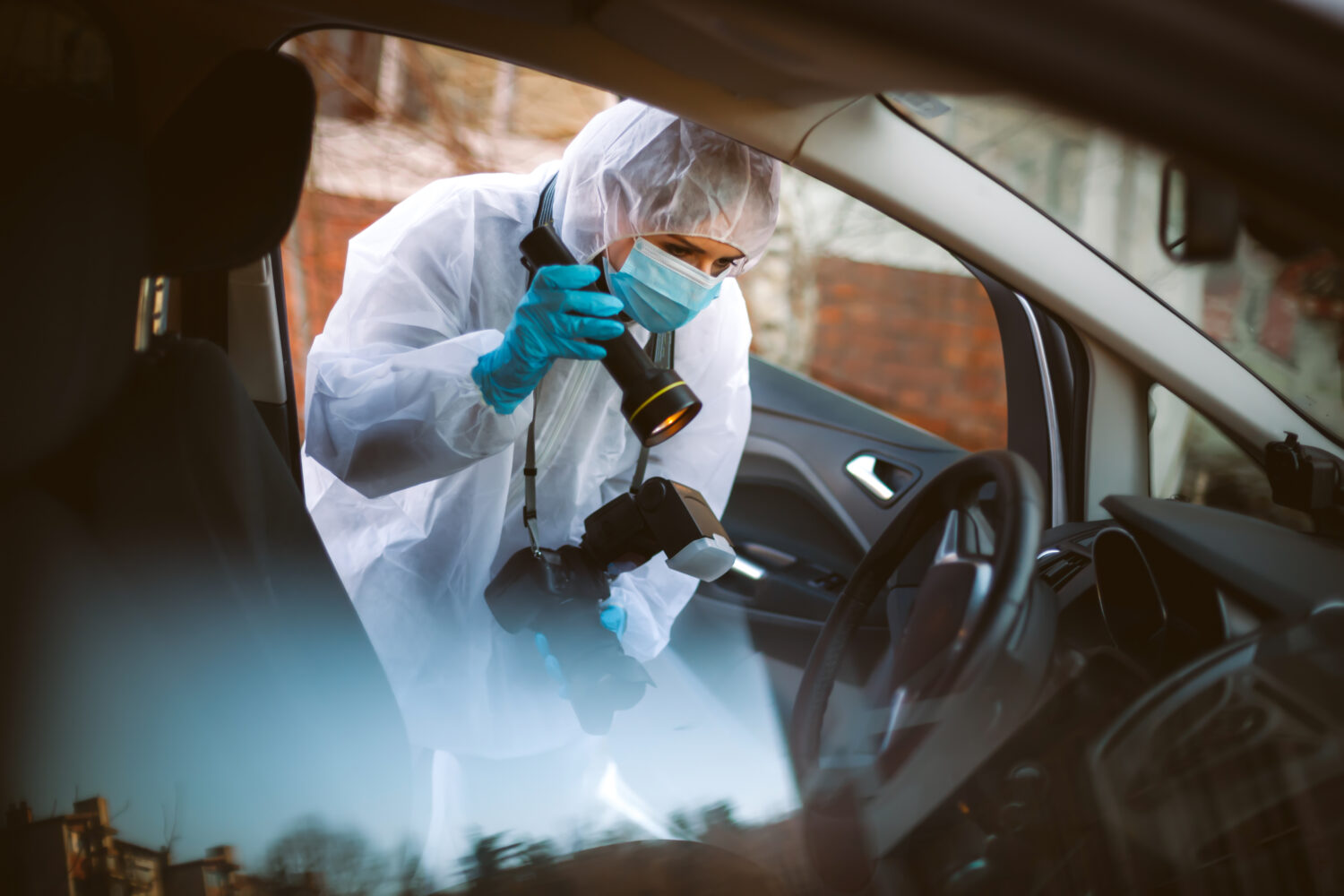
You need a strong plan to serve as your foundation, even as the situation evolves. For instance, the first step in analyzing a scene is to determine if there are any suspicious substances present and what form they appear to be in. It may not always be apparent to the naked eye, which is why it’s critical to wear personal protective equipment (PPE) – gloves at minimum.
For example, I recently responded to the scene of a crime where a woman was found unresponsive in a shed-like structure. As EMTs attempted to revive her, we simultaneously conducted a threat analysis of the scene where it was determined there were likely drugs and drug paraphernalia present. After initial testing, we confirmed there was a significant amount of fentanyl located near the deceased, at which point we removed all personnel from the scene to don full protective equipment and determine the best approach to methodically comb the environment for additional safety hazards. We took
these additional precautious because the fentanyl was in powder form and could be easily dispersed and potentially inhaled. We had to approach the scene with extreme caution, even though at first glance it looked fairly safe.
Knowing protocols for various scenarios and training is extremely important for the health and safety of first responders. Especially with the prevalence of fentanyl and how deadly it can be upon inhalation, it’s imperative to take extra care.
2. Leverage technology
Narcotic Identification Kits (NIK Kits) used to be the standard, as they are a low-cost screening tool, but accuracy can vary by product. That’s why the first time I used a portable, high-pressure mass spectrometer, like the MX908—a handheld device for trace detection of drugs—I was impressed with its lightning-fast speed and accuracy. Now, it goes with me everywhere.
There are quite a few situations where this tool has come in handy in protecting myself and my fellow officers, including:
— Determining contents of a mystery package on a military base. A soldier returned to his home and found a suspicious package on his doorstep that was labeled “hazardous materials.” We were called in to assess the situation as the threat of explosives on a military base was a concern, but a negative result for explosives through the MX908 allowed us to assess other threats. The package ultimately tested positive for cocaine.
— Analyzing mail at corrections facilities. I recently visited a jail where corrections officers were responsible for sorting through inmates’ mail. This has always been a safety issue, as contraband is regularly sent through the post. When we ran trace swabs from multiple letters and then analyzed them on the MX908, we found many contained synthetic cannabinoids. In addition to the officer safety concern and the peril they face if not wearing proper PPE, there’s also an
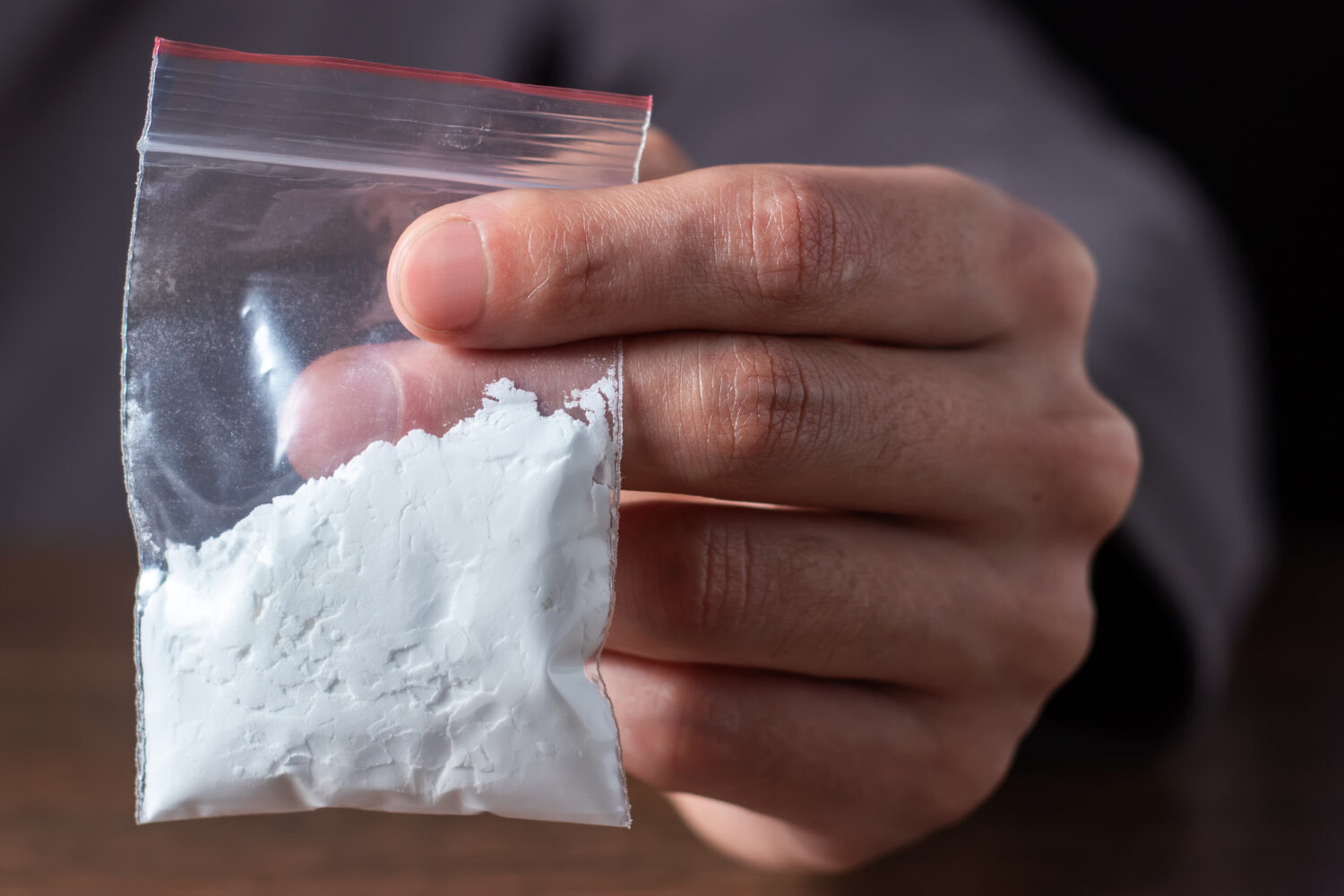
With the increased presence of fentanyl, officers find themselves at risk of accidental exposures, which is exactly why establishing officer safety measures is so imperative.
Once you have procedures in place and technology on standby to support, it’s critical to run through drills and have regular meetings that provide more detail, so officers understand the evolving threat landscape.
inmate safety issue.
When you’re assessing what kinds of technology to utilize in your own department, consider the following properties:
• Speed: There’s no time to waste, so how quickly can you assess the situation? For example, the MX908 device can return results of trace drugs in under a minute, enabling our teams to respond quickly and render a scene safe.
• Accuracy and Sensitivity: Ensure you have confidence that you’re dealing with a substance that a technology has accurately detected. You may proceed with a search differently if you find out a substance is cocaine versus fentanyl. Or it may be a mixture of a few different drugs, so you have to make sure your tech is sensitive enough to get an accurate read.
• Reliability: If you’re conducting 15 or more analyses per week on different samples, you need to be sure you can rely on the initial results presented and have zero room for error or false alarms. It’s imperative to get it right consistently.
• Portability: In many scenarios, we have to assess on-site to determine if or how we can proceed with an investigation.
Technology is an effective tool for your arsenal, and one that requires careful consideration and planning. Not all tech is created equal.
3. Conduct regular training
Once you have procedures in place and technology on standby to support, it’s critical to run through drills and have regular meetings that provide more detail, so officers understand the evolving threat landscape. Even something as simple as updating and distributing a bulletin with current information about crimes, tactics for fentanyl discovery or other drugs circulating in the community can be a huge benefit.
So many times in my career, I’ve seen departments do a great job of educating their staff, but not share information with other communities that could benefit from their intel. That’s a huge, missed opportunity to protect fellow officers and collaborate on drug busts.
In a similar vein, it’s also important to advise communities of these threats so they can remain constantly vigilant.
Growing threats to consider
While fentanyl is driving the headlines and prevalent in many communities, the “next best thing” is right around the corner. Recently we’ve started to see the emergence of Xylazine—an animal tranquilizer—and Eutylone—a stimulant—and higher prevalence of counterfeit pharmaceuticals. In fact, the DEA issued its first public safety alert in six years after seizing more than 9.5 million counterfeit prescription pills— laced with fentanyl—in the first nine months of 2021.
I’ve dedicated my career to keeping drugs and criminals off the street. In order to respond to these threats—both known and unknown—my fellow officers should refresh their protocols, consistently run drills to stay ahead of threats, look to technology as a safeguard, share their
findings with fellow officers and the community and constantly stay vigilant. The drug world is complicated and scary, but there’s less reason to fear when you have these officer safety measures in place.
About the Author
Adam Tanner is a Special Agent at the North Carolina State Bureau of Investigation.
Subscribe to Our Communications
Signup to receive new product updates, technical tips and more.