Latest Update: Fiscal Year 2025 Funding Update

Grants
Grants and Resources to Help Acquire Chemical Identification Devices
Explore a variety of ways to fund your procurement of chemical identification devices for hazmat teams and law enforcement agencies.
GRANTS AND FUNDING
Explore Grant Funding, We’re Here to Help
There are various potential grant and funding opportunities for local, state, and federal organizations to help acquire chemical detection and identification equipment. We encourage you to explore grant programs offered by USDOJ, FEMA/DHS, as well as other grant opportunities for law enforcement and hazmat.
We understand seeking grant funding to procure chemical identification equipment can be a time-consuming process. We are here to help, and we encourage you to engage our team to assist you.

SECURING GRANTS
Grant Funding Process
Securing grant funding for law enforcement technology is competitive and requires a thoughtful and organized approach. Winning proposals typically showcase funding necessity and a project plan. It is important to track grant opportunities and remain updated on changes in eligibility, or application procedures. Read this article to learn about the steps to secure grant funding.

SECURING GRANTS
Unlocking Public Safety Grants and Funding
As competition for public safety grants intensifies, staying informed and strategic is no longer optional—it’s essential. Don’t miss this opportunity to hear directly from our expert panel as they uncover the most promising federal grant opportunities, break down critical policy updates, and share proven funding strategies that drive results. Specifically tailored for grant managers, financial officers, and agency leaders, this high-impact webinar will empower you with the insights and tools you need to secure maximum funding and confidently navigate the complex federal grant process.
There is Funding, and Your Department May be Eligible
908 Devices has a multi-disciplined team that works with you to help identify what funding you may be eligible for. We provide you with a basic overview of what is available to your department, whether it is DHS UASI grants, AFG, COPS office funding, opioid settlement funding, or an earmark ask from local congressman. We can help with the following:
Grant Research
We will help identify which grants your department is eligible for.
Grant Writing Support
We can provide grant writing assistance.
Earmark Opportunities
We will guide you on how to apply for earmarked funding.
Successful Customers
We can introduce you to similar teams who have successfully secured funding.
Justification Documentation
We have prepared documentation to make writing easier.
APPLICATIONS
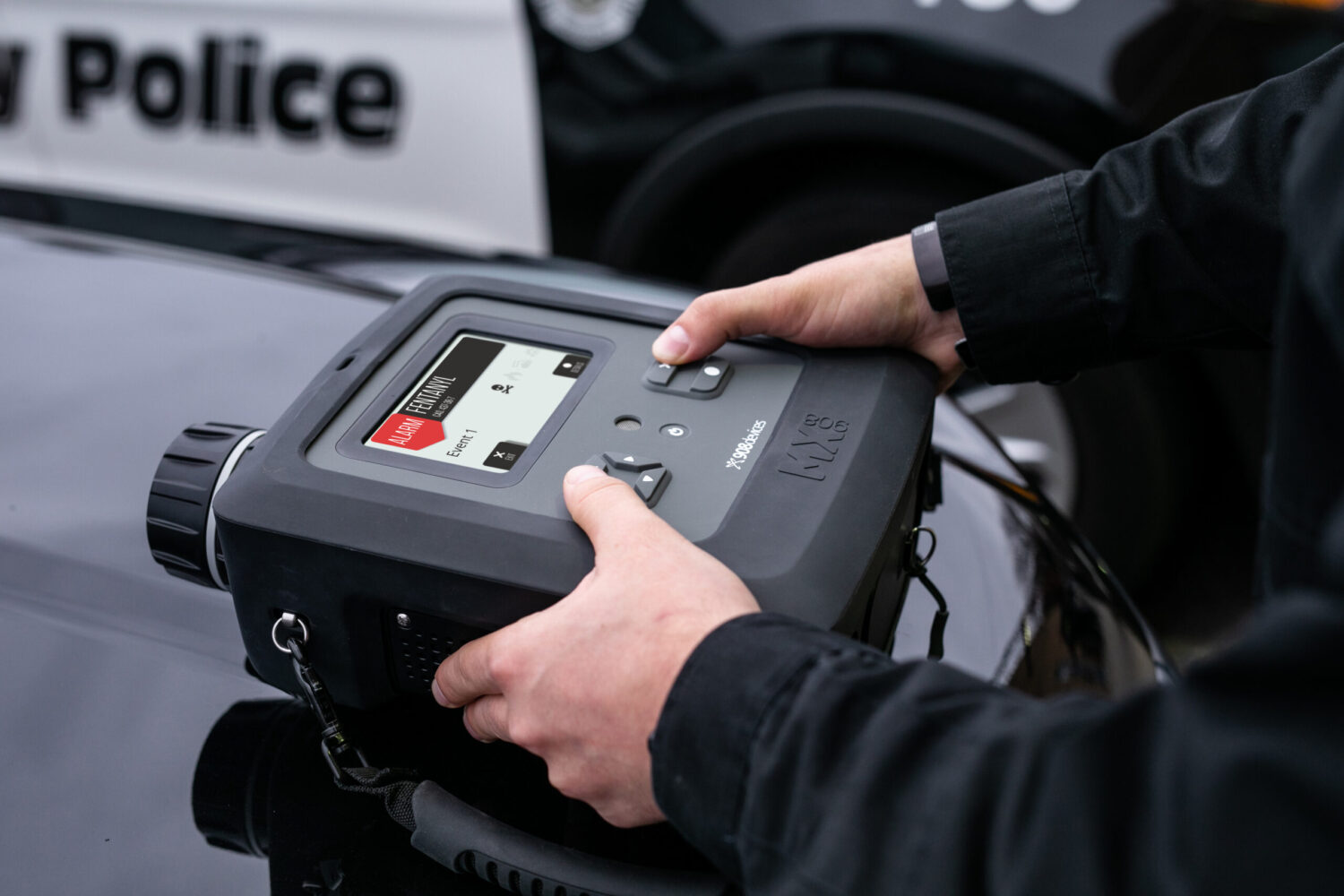
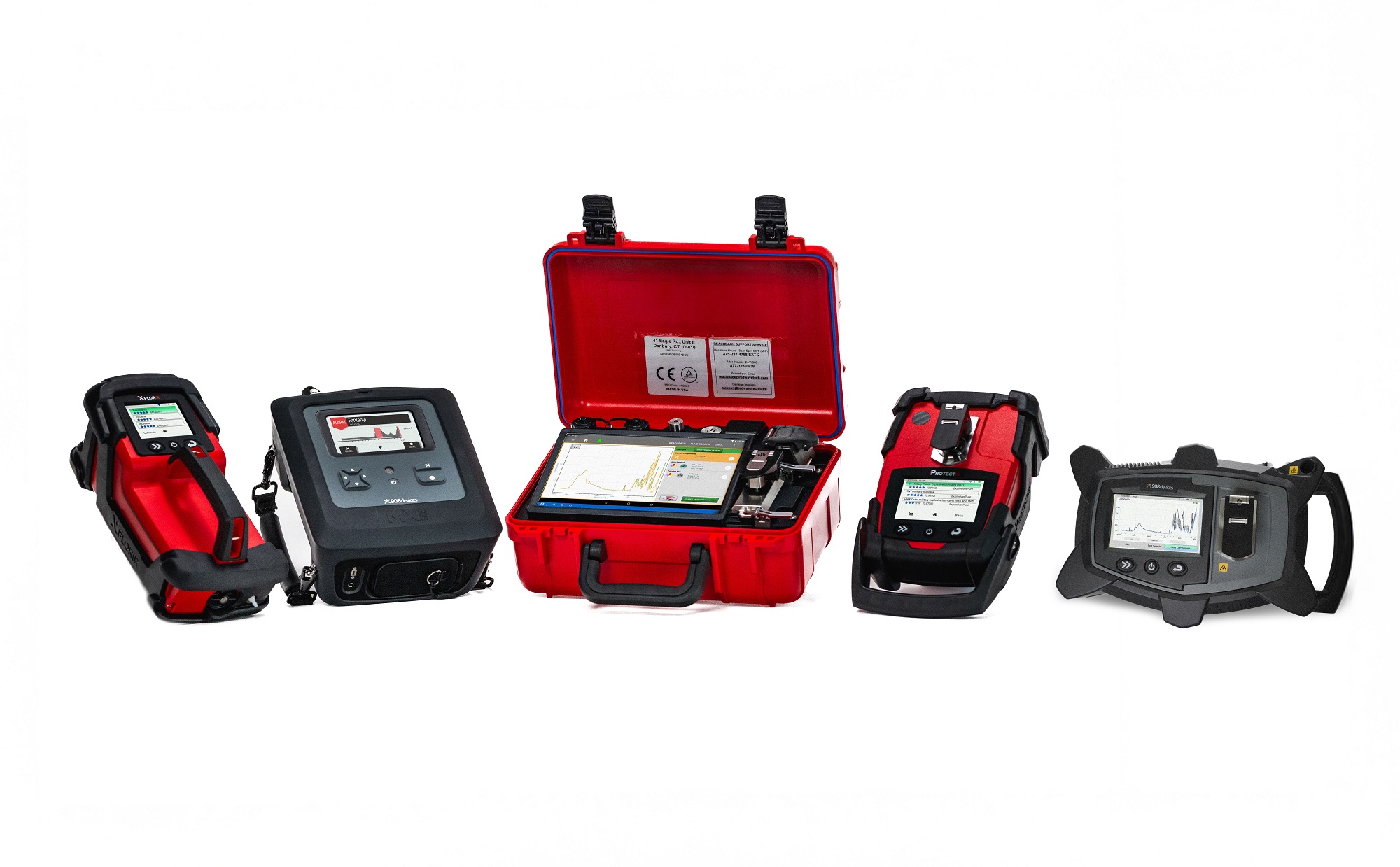
Advanced chemical identification devices for your missions.
Access funding for today’s mission-critical priorities, including fighting synthetic opioids and improving security readiness. Our handheld devices rapidly identify unknown substances, empowering you to achieve your mission.
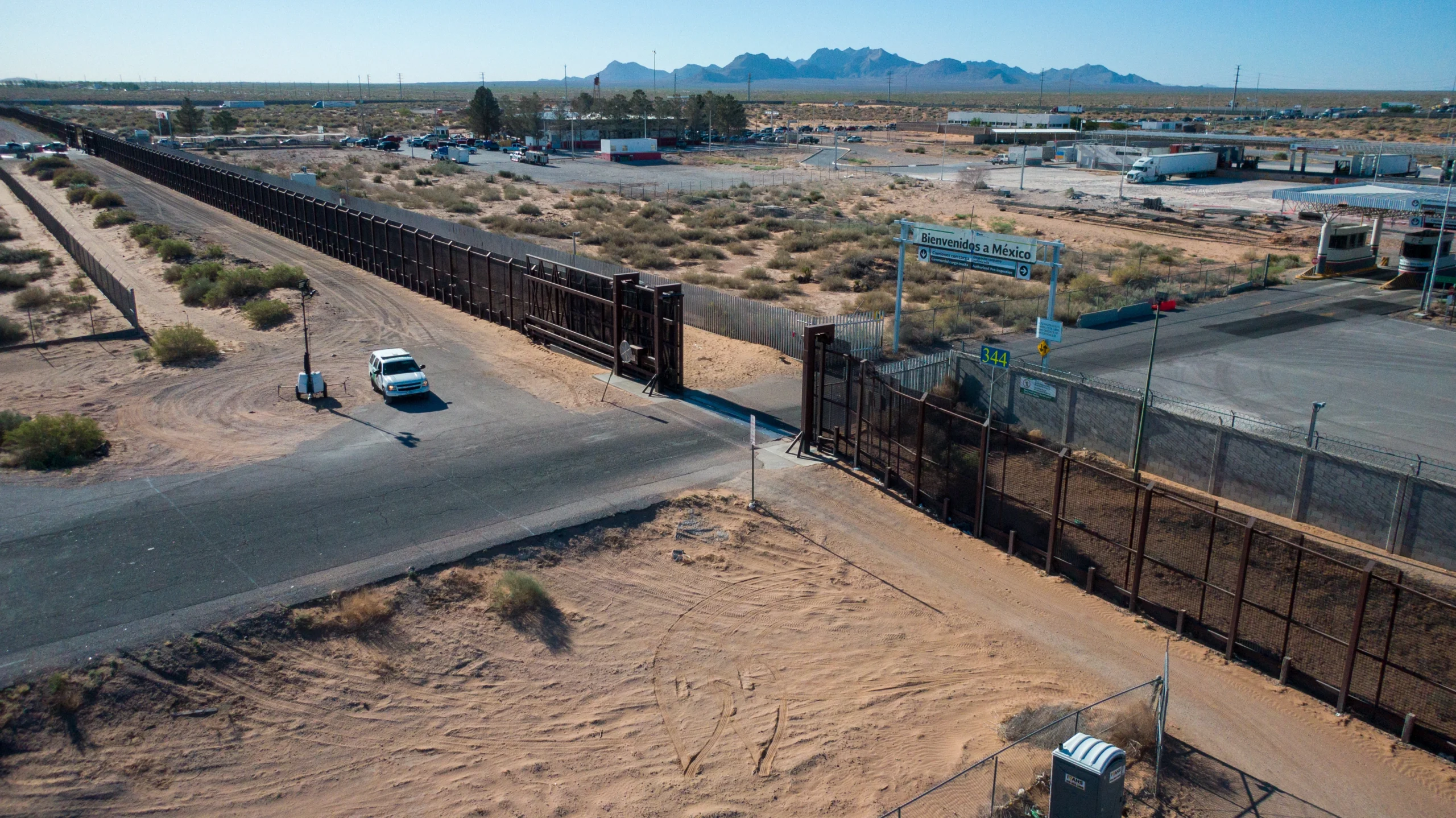
Customs & Borders
Safeguard borders with advanced chemical detection to combat illegal activities such as smuggling, trafficking, and terrorism while ensuring the safe and lawful movement.
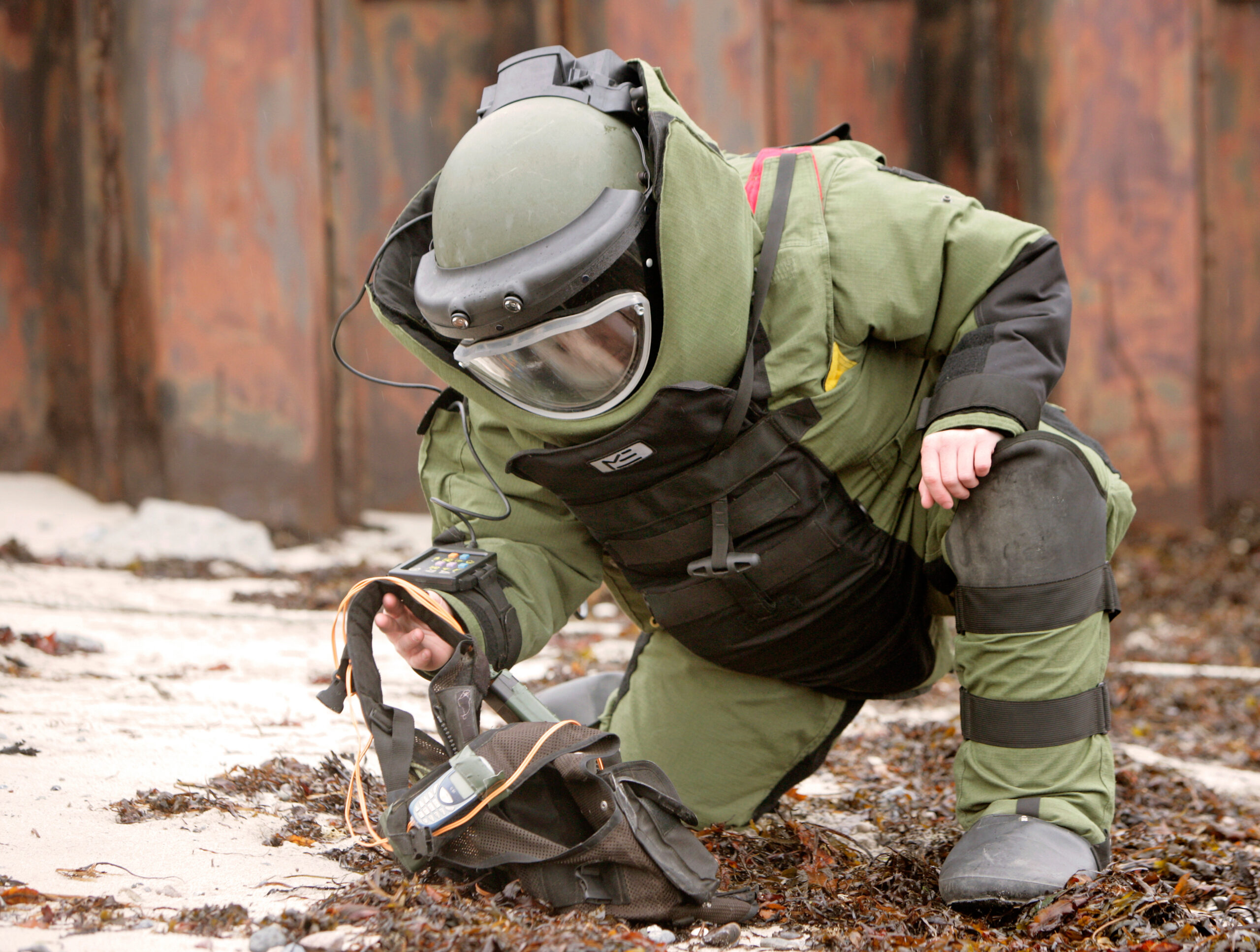
Explosives & EOD
EOD technicians, bomb disposal units, and military need expanded capabilities for rapid detection, identification, and monitoring of threats in the field.
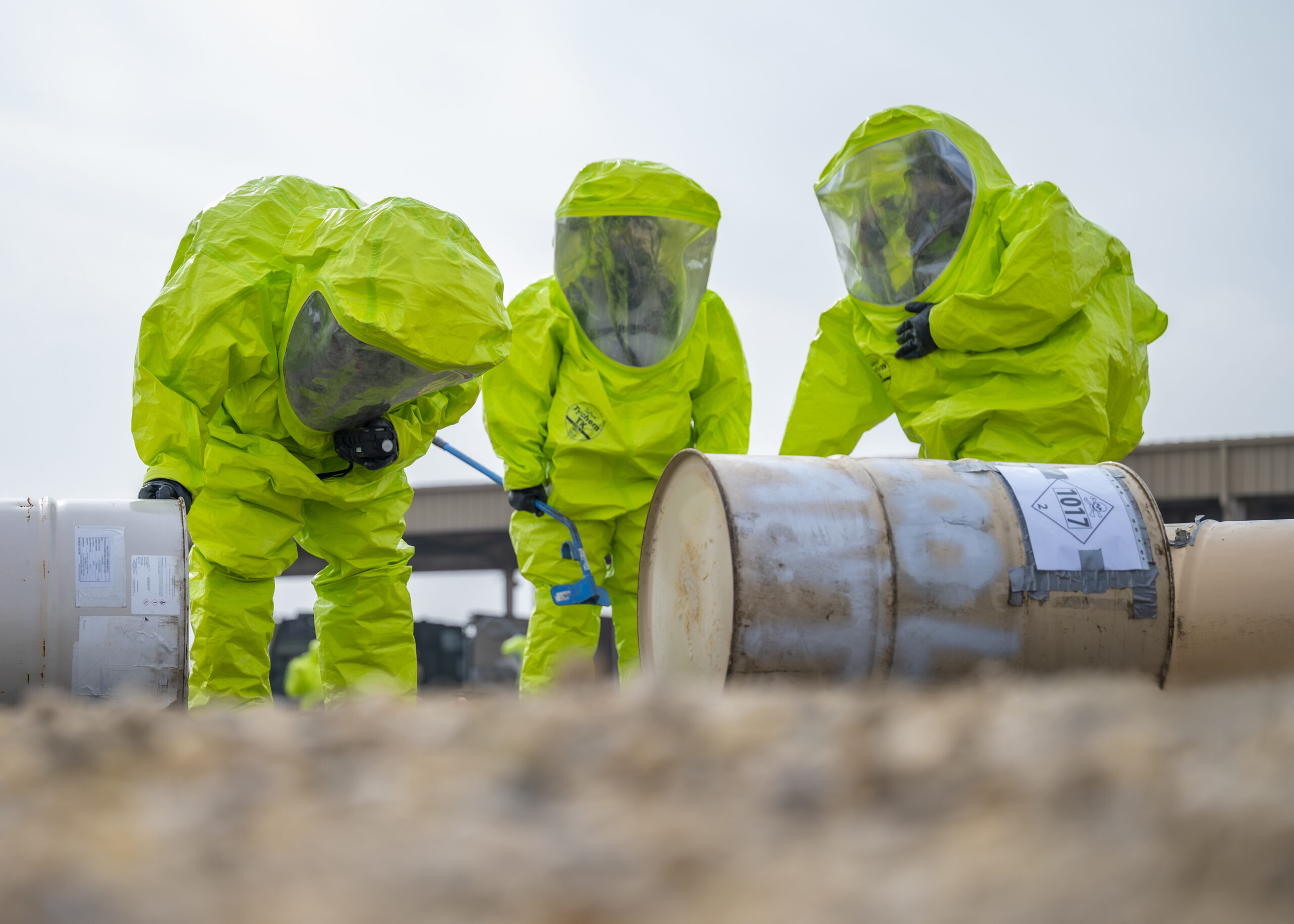
Hazardous Materials & CBRN
Comprehensive identification of liquid, solid, gas/vapor and aerosol substances to keep first responders and the public safe.


Fiscal Year 2026 Funding Update
The federal government has renewed support or expanded the emphasis on several major funding programs. Funding opportunities increasingly favor multi-mission, multi-agency technology solutions that support narcotics interdiction, CBRN response, officer safety, and operational intelligence—rather than single-purpose opioid-only programs.
- Byrne Justice Assistance Grant (Byrne-JAG): Byrne-JAG remains a core and stable DOJ funding mechanism for state and local agencies to support synthetic drug enforcement, officer safety, technology modernization, and data-driven policing. This makes it a flexible vehicle for chemical detection tools, analytics, and interoperable technology investments aligned to narcotics and CBRN response missions.
- COPS Anti-Meth Program (CAMP) and COPS Anti-Heroin Task Force (AHTF): In the FY2026 budget request, the DOJ proposes reductions or elimination of dedicated CAMP and AHTF funding lines, signaling a move away from narrowly scoped drug-specific task-force programs. Multi-jurisdictional narcotics enforcement activities are expected to migrate toward broader DOJ and state/local funding vehicles, rather than standalone COPS programs.
- Homeland Security Opioid Detection Grants: For FY2026, DHS does not propose continued funding for a dedicated opioid/fentanyl detection grant program. Instead, opioid and fentanyl threats are addressed within broader DHS operational and border-security mission requirements, including CBP, HSI, and DHS Science & Technology capability development. Chemical detection and screening tools must therefore be positioned as mission-essential capabilities rather than tied to a standalone opioid-specific grant.
- FEMA Assistance to Firefighters Grant (AFG): The FY2026 Administration request maintains AFG funding, while House and Senate appropriators have signaled higher funding levels than the request. AFG continues to support hazmat response modernization, responder safety, and CBRN preparedness, including upgrades to handheld detection and identification technologies used by fire-based hazmat teams.
- High Intensity Drug Trafficking Areas (HIDTA): FY2026 introduces a structural shift, with the Administration proposing to transfer HIDTA oversight from ONDCP to DOJ. While overall funding is proposed at a lower level than prior years, HIDTA remains focused on multi-agency task forces, cross-border interdiction, intelligence sharing, and advanced analytical capabilities that support complex, multi-drug threat environments.
Resources
Grant Writing Strategies for Public Safety
Are you seeking to enhance your department’s resources or make a significant impact on the fentanyl epidemic? Watch this webinar to learn about law enforcement grant writing and applications, to aid in acquiring technologies that are used on the front lines for public safety.
XplorIR Quantification
Learn about XplorIR quantification package, which allows users to measure the concentration of a hazardous gas or vapor at part-per-million (ppm) levels.
MX908 Specifications for Priority Drugs
With the enhanced selectivity of HPMS, users can conduct field analysis of unknown substances at trace levels to generate actionable intelligence in real time.
MX908 Specifications for Hazmat
With MX908, elite federal, military and civilian responders have the quick, confident intelligence they need to ensure the safety of their team and the public.
XplorIR: Gas Identification for Rapid Response
Learn how the XplorIR provides positive gas identification during an explosion at a clandestine meth lab.
VipIR Specification Sheet – Hazardous Materials & CBRN
Learn about the features and performance of VipIR, a portable 3-in-1 device that utilizes Raman, FTIR and SSP to identify thousands of hazardous materials and CBRN chemicals.
Subscribe to Our Communications
Signup to receive new product updates, technical tips and more.