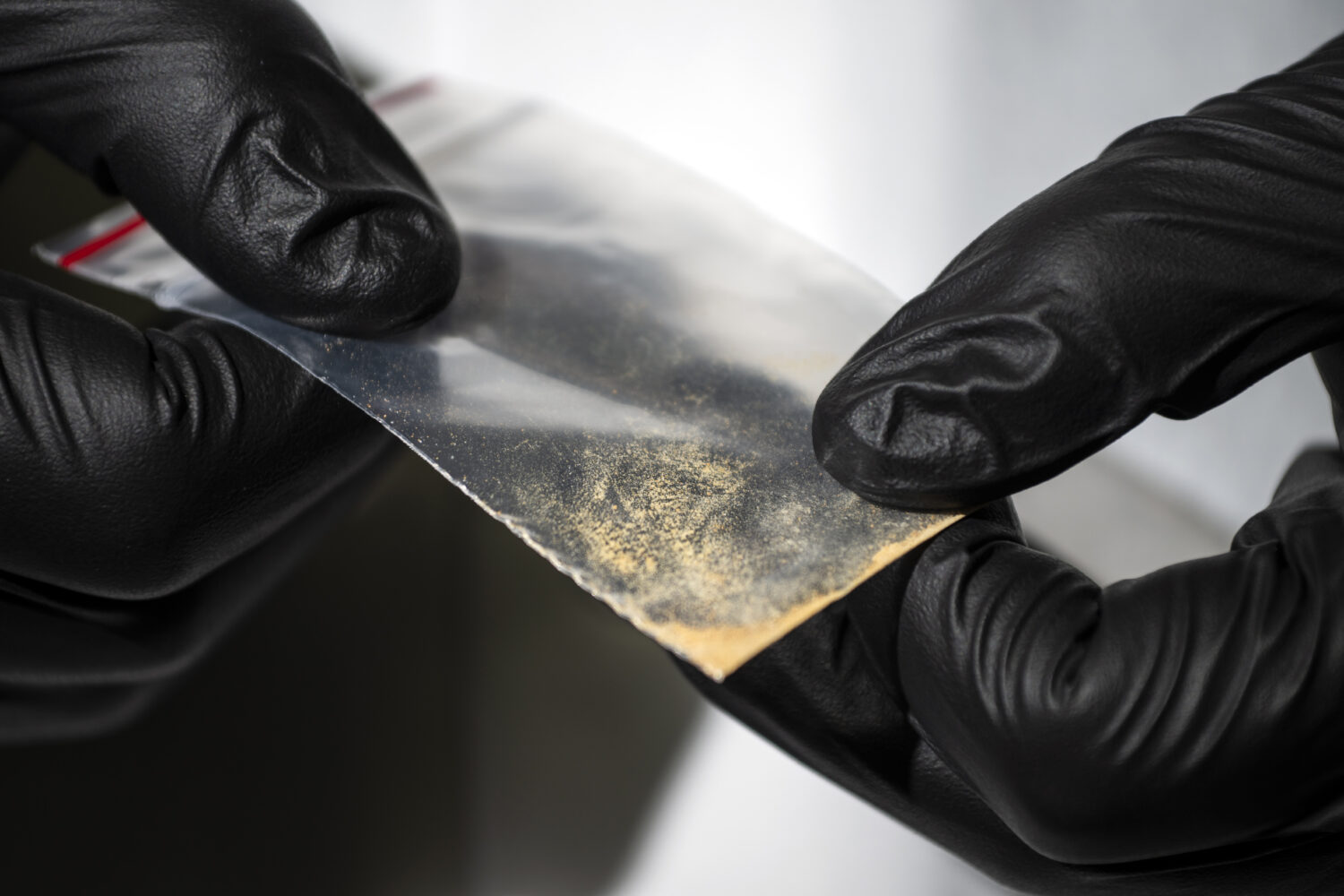
The current response to the opioid crisis has focused on fentanyl, but a far more dangerous class of drugs is running rampant and undetected. Nitazenes, synthetic opioids 40 times more potent than fentanyl, are often hidden in counterfeit pills or mixed into other substances. Since it’s often found in trace amounts or mixed with other substances, and many law enforcement agencies aren’t specifically field testing for nitazenes, these drugs pose a silent threat that are adding to the already devastating toll of the opioid crisis.
Nitazenes were first developed as experimental analgesics that never made it to patients after they were found unsafe for medical use. However, in the last few years we have witnessed more variants of nitazenes surface in the street supply globally, in particular across North America and Europe. This is concerning for law enforcement and public health since even trace amounts can be deadly.
Prioritizing the Detection and Identification of Nitazenes via Policy
Awareness of the issue across the U.S. remains dangerously low, as found in a 2025 survey conducted by 908 Devices, which found that 80% of respondents had never heard of nitazenes, and only 37% knew they are more potent than fentanyl.
Despite this growing body of evidence and national headlines beginning to shed light on this emerging crisis, federal policy is slower to adapt. Recent legislation such as the HALT Fentanyl Act and portions of the One Big Beautiful Bill mention increased drug enforcement funding and action, but focus on targeting fentanyl specifically. However, many nitazene analogues remain unscheduled at the federal level or fall into regulatory gray zones, making it harder to track, enforce, and remove these drugs. Even the 2025 Office of National Drug Control Policy Framework, which also emphasizes innovation in interdiction, precursor control, and field-based detection doesn’t go far enough in recognizing them as a distinct threat that requires the correct funding and urgent action.
Creating an Action Plan to Mitigate Nitazenes in the Field
Public sentiment supports a shift in enforcement. In the same 908 Devices survey, 63% of Americans strongly support equipping law enforcement with tools to detect nitazenes, and 77% of respondents agreed public resources, such as tax dollars, should go toward equipping agencies with the proper tools to combat them. And yet, most agencies still rely on fentanyl-specific protocols, which fall short against this new class of drugs, or don’t have in-field technology to detect and identify nitazenes quickly.
For law enforcement, first responders, and drug users, the nitazene crisis is not a theoretical threat on the horizon, but their reality; and without updated policies, dedicated funding, and scalable technology, the U.S. risks a repeat of the early fentanyl crisis.
The existing gap between awareness, detection, and enforcement leaves first responders vulnerable. Without knowing what they’re handling, police and EMTs risk accidental exposure to compounds that can be lethal in microscopic amounts. In overdose cases, traditional intervention tools like naloxone may be less effective or require multiple doses due to the sheer potency of nitazenes. The result is a heavier burden on emergency services, longer response times, and more lives lost.
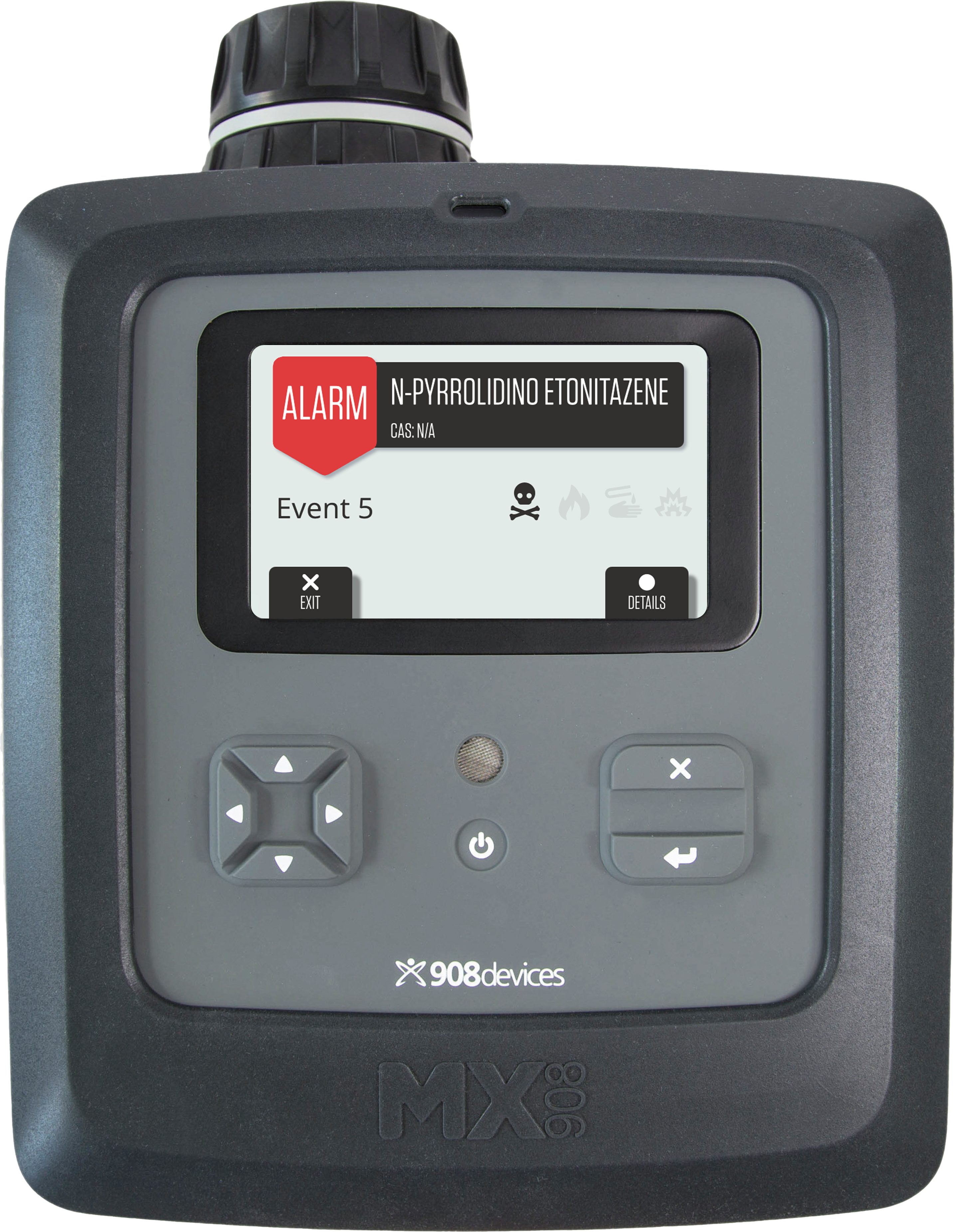
Detection Remains Our First Line of Defense – the MX908 Can Help
First responders are already overstretched trying to manage fentanyl trafficking and other street drugs, but now they’re being asked to address an even more complex threat. If we’ve learned anything from the fentanyl crisis, it’s that early detection and rapid response are essential.
With nitazenes, the window to act is now. Agencies need access to modern equipment, and forensic labs need resources to develop and validate testing for new analogs as they appear. Nitazenes evolving chemical structures and potency levels demand fast, field-deployable detection technologies such as the MX908 to identify trace amounts in real time and adapt to changing threat landscapes.
The bottom line is clear: identification is prevention. Every tool we put in the hands of responders now could mean a life saved tomorrow. The opportunity to get ahead of this crisis still exists, but only if we act before nitazenes become the next dominant force in the opioid epidemic.