
A Unanimous Vote Changed the Rules of Field Drug Testing
On March 27, 2026, Colorado Governor Jared Polis signed House Bill 26-1020 into law. The legislature voted unanimously. That unanimity is worth pausing on. Across partisan lines, Colorado lawmakers agreed that custodial arrest for low-level drug possession based solely on colorimetric presumptive field tests could no longer be permitted.
For Colorado law enforcement agencies, the operational implications are immediate. For agencies everywhere else, the message is equally clear: this is the beginning of a national shift, not an isolated state experiment.
“The legislature voted unanimously. That signal to every other state is unmistakable.”
What the Law Actually Requires
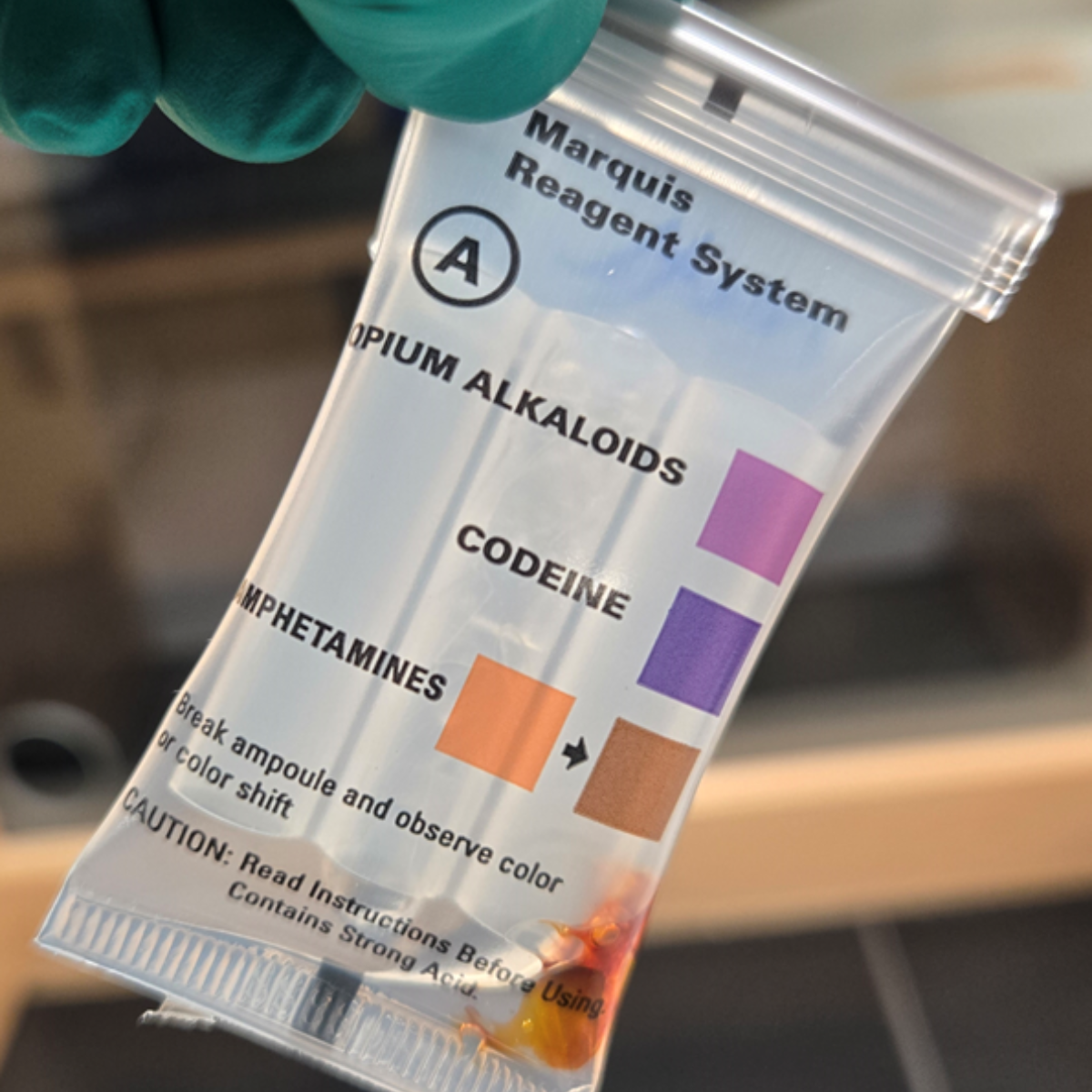
HB 26-1020 prohibits custodial arrest for low-level drug possession when the sole basis for that arrest is a colorimetric presumptive field test result. The law requires courts to advise defendants of the error rates associated with these tests. Arrests may still occur with other supporting evidence, but colorimetric test results alone are no longer sufficient for probable cause.
This is not a procedural technicality. It is a direct challenge to a workflow that tens of thousands of law enforcement agencies have relied on for decades. Color-based reagent tests — the kind that change color to indicate the likely presence of a controlled substance — are the most widely used field drug identification tool in American law enforcement. Colorado has just told its agencies those tests cannot stand alone.
Why Now? The Science Was Clear for Years
The research was not new. The Quattrone Center at Penn Carey Law School documented that roughly half of the 1.5 million annual US drug arrests from 2010 to 2019 involved colorimetric field tests. Of those, approximately 30,000 people per year were wrongfully arrested because the test returned a false positive.
False positive rates from colorimetric tests documented by law enforcement and corrections agencies range from 15% to over 91% depending on the substance and test kit. Household items including vitamin C, aspirin, and certain cleaning products have triggered positive results. The tests cannot distinguish between controlled substances and legal compounds with similar chemical structures.
Courts in multiple jurisdictions have been wrestling with the evidentiary weight of these tests for years. Colorado’s legislature finally codified what the science already demonstrated: colorimetric tests are inadequate as a standalone basis for arrest.
Approximately 30,000 people are wrongfully arrested annually in the US based on false positives from colorimetric field tests. Source: Quattrone Center at Penn Carey Law School.
What Colorado Agencies Need to Do Right Now
Colorado law enforcement agencies operating drug task forces face an immediate operational decision. The workflows that allowed officers to make custodial arrests based on a field test result no longer meet the legal standard. Agencies must either pair colorimetric tests with corroborating evidence — a much higher burden in the field — or adopt a scientifically validated alternative.
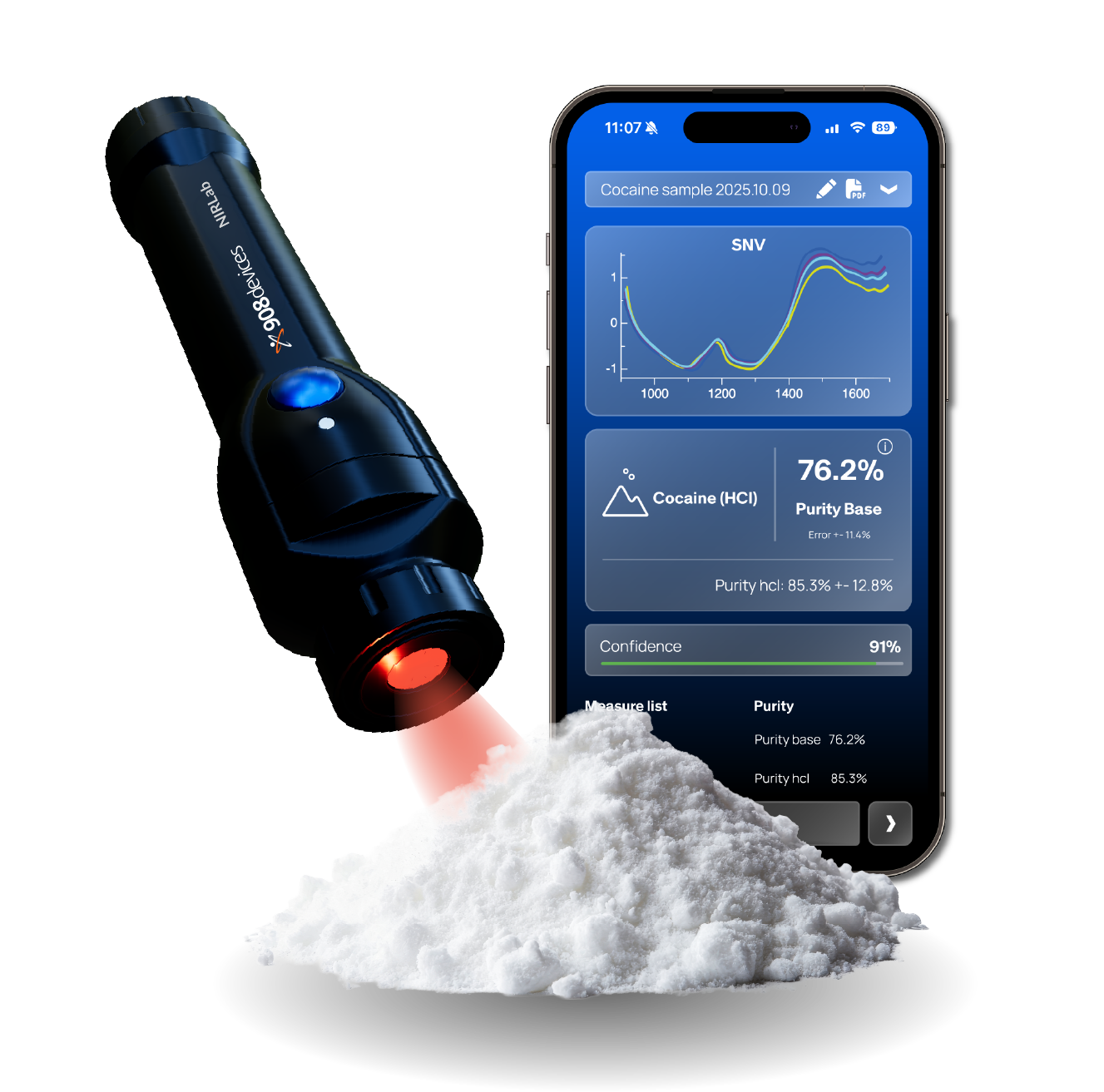
The practical solution is a field instrument capable of producing defensible, court-ready identification results without the false positive vulnerabilities of reagent chemistry. Near-infrared spectroscopy technology such as NIRLab provides identification of all major street drugs officers encounter, purity and concentration data, and warrant-ready cloud reporting — without requiring any sample preparation or contact with the substance.
For Colorado agencies, this is not a future planning horizon. It is an operational need that exists today.
What This Means for Agencies Outside Colorado
If your agency is not in Colorado, the question to ask your legal counsel is simple: how long before your state follows? The answer in many cases is not if, but when.
Active legislation or reform discussions are underway in California, New York, New Jersey, Illinois, Massachusetts, Oregon, and Washington. The legal foundation laid by Colorado — unanimous passage, mandatory court advisories on error rates — gives other state legislatures a template. Advocacy organizations including the Roadside Drug Test Innocence Alliance have been pushing these reforms for years.
Agencies that begin evaluating scientifically validated field identification alternatives now will be in a fundamentally stronger position than those that wait for their state to enact a requirement. Procurement cycles for law enforcement technology take time. Grant applications take time. The agencies that start that process in 2026 will have their tools in place when their state’s law takes effect.
The NIRLab Compliance Solution
NIRLab is a handheld near-infrared narcotics identification instrument designed for law enforcement field use. It identifies all major street drugs officers encounter — including cocaine, methamphetamine, heroin, fentanyl, MDMA, and cannabis — without requiring sample contact or preparation. Results are generated in seconds and uploaded to the 908 Devices cloud platform automatically, creating a warrant-ready chain of custody record for every scan.
NIRLab’s drug library is validated against more than 30,000 GC-MS quantified reference compounds by an ISO 17025 accredited laboratory. The identification results it produces are forensically defensible in a way that no colorimetric reagent test can match.
For Colorado agencies, NIRLab is the field-ready replacement the new law requires. For agencies in pending-legislation states, it is the investment that converts a future compliance problem into a capability advantage — today.
Colorado HB 26-1020: Key Facts
Enacted: March 27, 2026
Vote: Unanimous
Effect: Bans custodial arrest based solely on colorimetric tests
Requires: Court advisories on test error rates
The Wrongful Arrest Data
~30,000 wrongful arrests per year from false positives
False positive rates: 15% to 91%
Half of 1.5M annual drug arrests involved colorimetric tests (2010-2019)