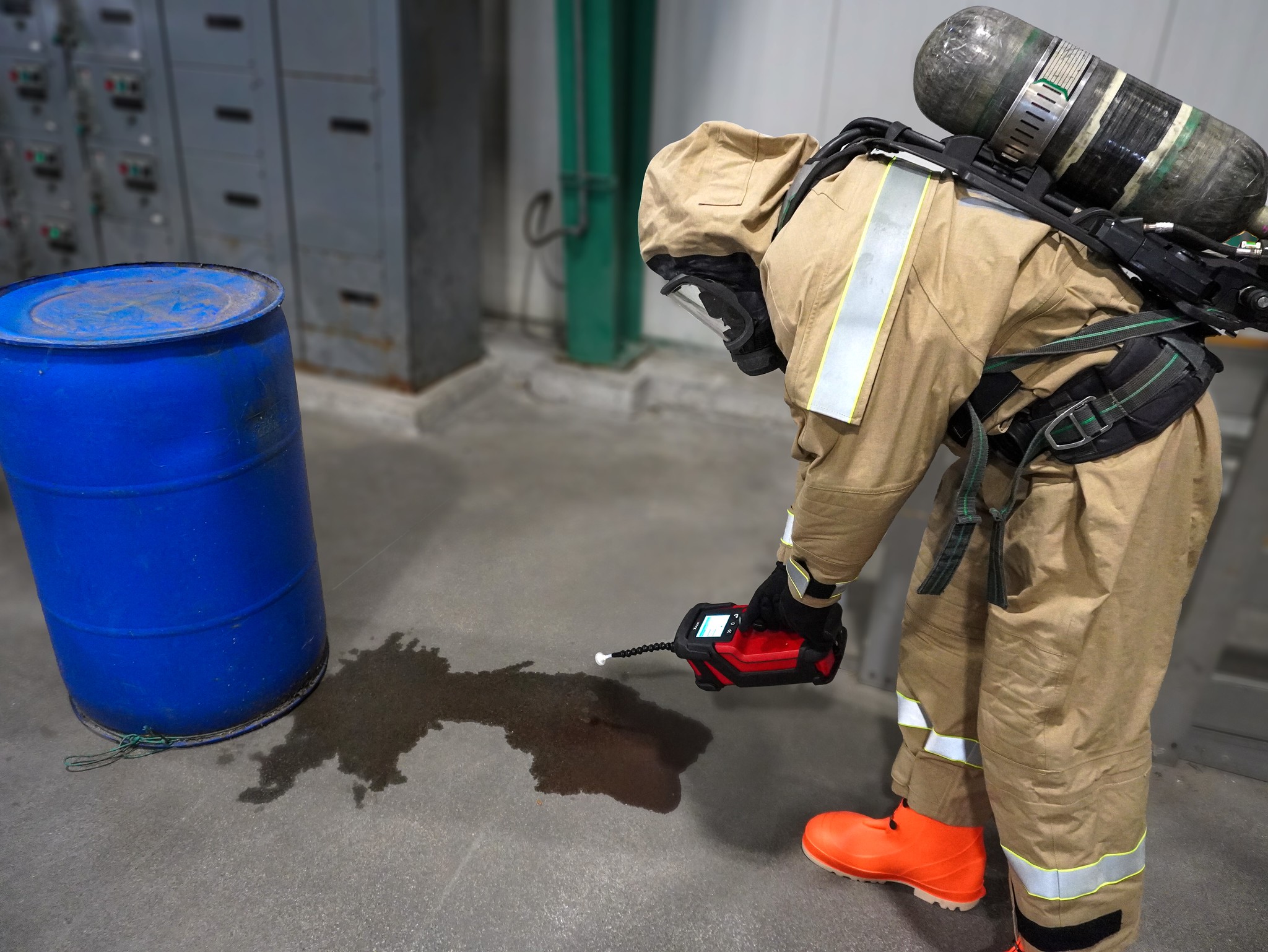
For fire service and hazmat teams, the PID and multi-gas meter are still the first tools off the rig, and for good reason. They answer the first question fast: is there something in the air?
The challenge begins with the next question: what is it?
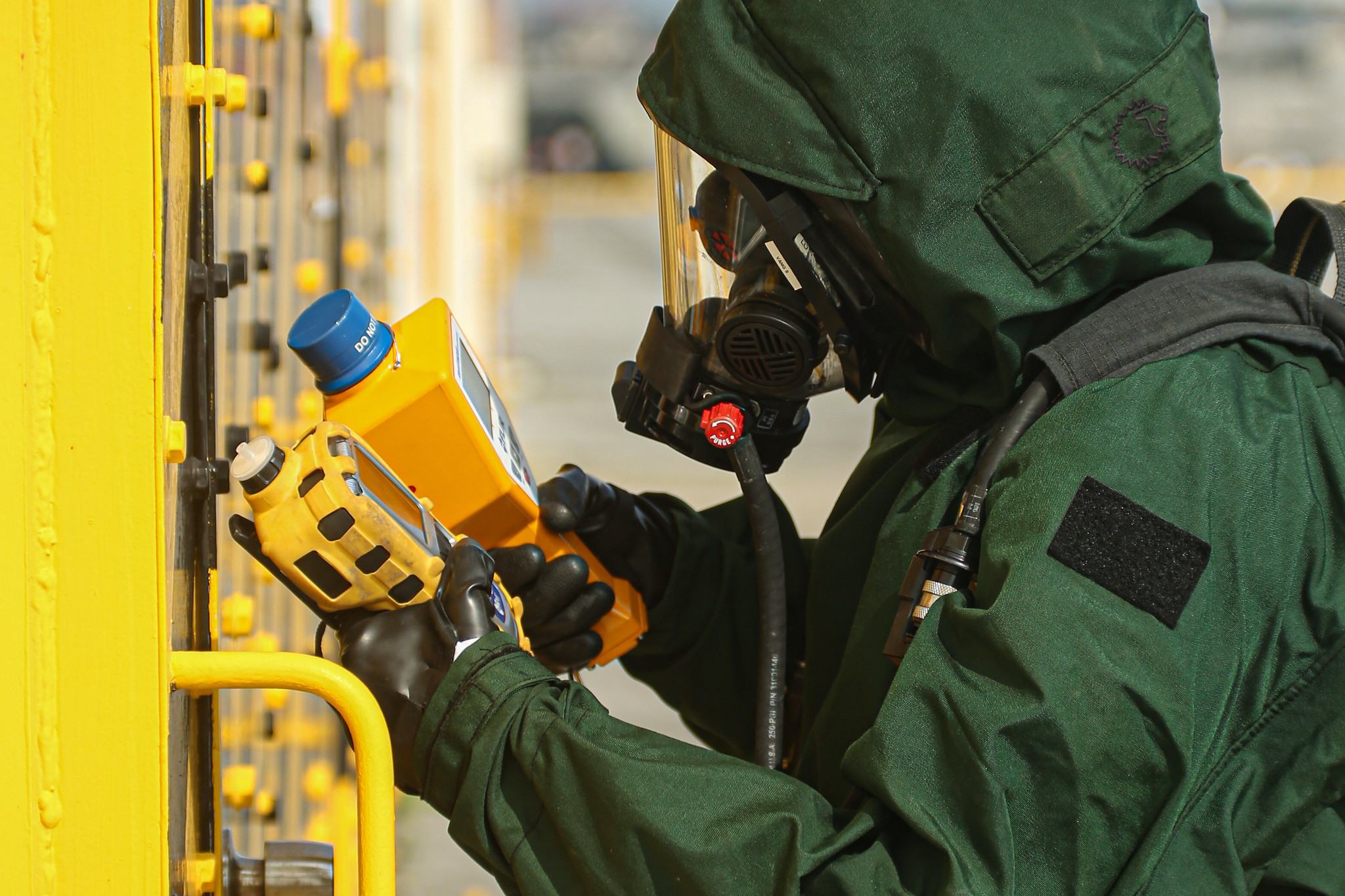
Detection has never been the problem. Your meters are excellent at telling you when something is wrong. An LEL alarm tells you something is flammable. A PID hit tells you something organic is present. A change in oxygen tells you the atmosphere is shifting. But none of those readings tell you what is actually causing the problem.
That gap matters. When you don’t know the chemical, you are left interpreting numbers without context. A 10% LEL reading might be more dangerous than it appears depending on the gas. A PID reading might represent a serious toxin or something relatively harmless. PPE decisions, entry tactics, and even evacuation distances can all be influenced by uncertainty.
Part of the issue comes from how these tools are designed. Most multi-gas meters are calibrated to methane, even though you are rarely dealing with methane in the field. That means every LEL reading is based on a reference gas, not necessarily the one in front of you. The same applies to the PID. It is fast and sensitive, but it is non-specific. It tells you something is there, not what it is.
This is where identification changes the game. When you pair your PID and multi-gas meter with XplorIR, you add the missing piece that responders have always needed. XplorIR provides the chemical identification with quantification that your frontline meters cannot, turning unknown readings into defined hazards.
With that identification in hand, everything starts to make sense. That LEL reading is now tied to the actual fuel in the air, not just a methane-based assumption. That PID reading now has a specific chemical behind it, allowing you to understand whether you are dealing with a serious toxin or a lower-risk compound. Correction factors stop being theory and start becoming something you can actually apply on scene.
When you can identify the gas early, the entire operation becomes more efficient. PPE decisions become more confident, command has a clearer picture of the scene, and entry teams spend less time second-guessing their instruments.
The tools themselves have not changed. The PID and multi-gas meter still do the heavy lifting. XplorIR simply gives them the context they have always been missing.
Detection tells you there is a problem. Identification tells you what to do about it.
And when you pair your meters with XplorIR, you finally have both.