
A jail is supposed to be a controlled environment. That is why an overdose inside a detention facility carries such weight.
When narcotics make their way into a jail, the damage is not limited to the individual event. It can jeopardize inmate safety, place corrections personnel at risk, disrupt operations, and raise serious questions about how the substance entered the facility in the first place. For a sheriff’s office, that kind of incident can quickly become more than a medical emergency. It becomes a test of custodial control.
That is the reality sheriff’s offices face today. Contraband has changed. Synthetic narcotics and other dangerous substances can move through intake, property, transfers, mail, and housing areas in forms that are easy to miss and difficult to identify. Traditional search procedures remain essential, but visual inspection and routine handling alone are not always enough to address modern narcotics threats.
That is where better screening and identification capability matters.
Effective narcotics interdiction inside a jail requires tools matched to the nature of the encounter. Not every situation calls for the same level of response, and agencies benefit most when their screening capability is layered to reflect that reality.
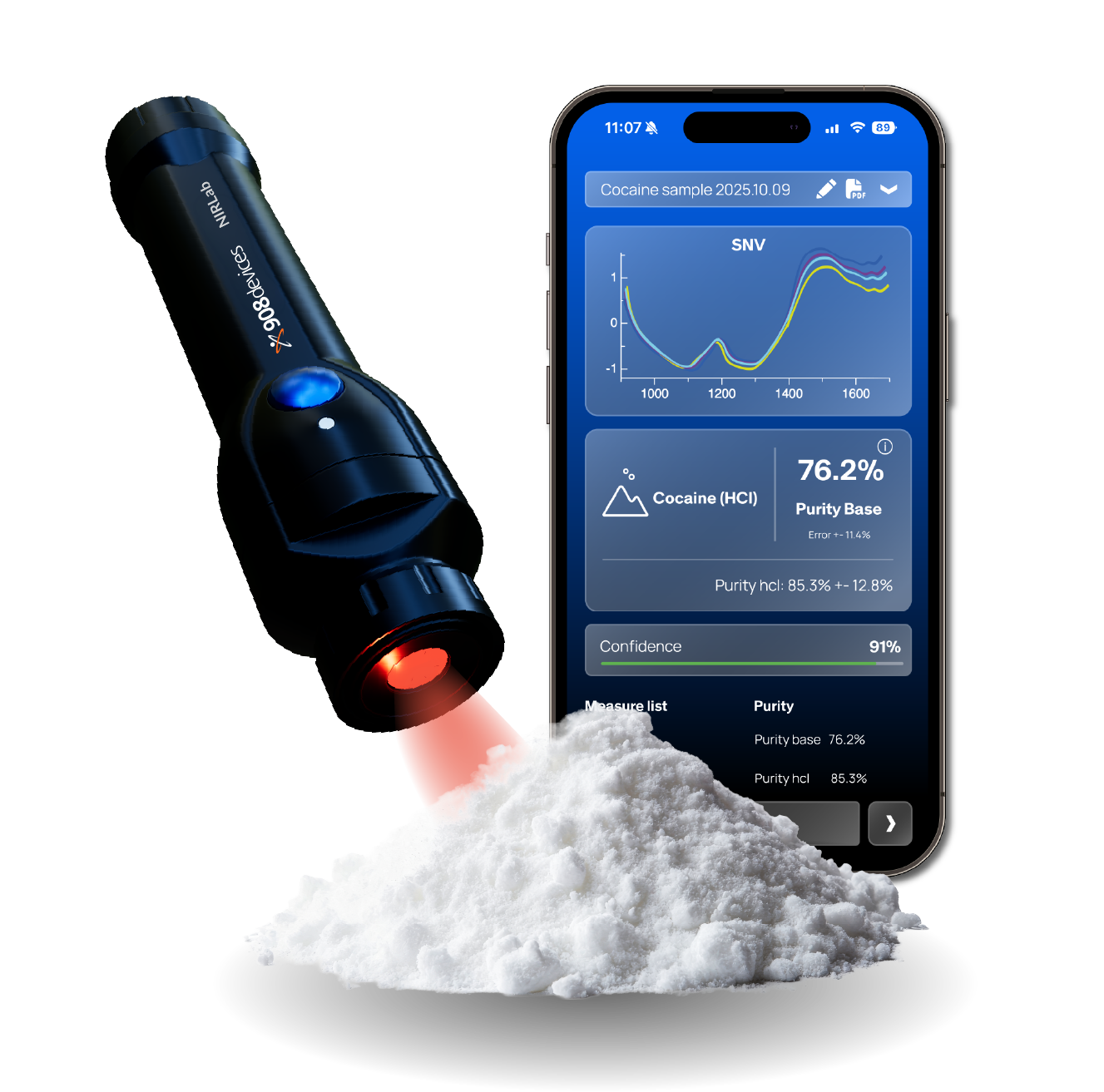
NIRLab provides corrections personnel with a fast, practical solution for everyday drug encounters. When staff come across a suspicious substance during routine housing checks and inmate property inspections, NIRLab delivers rapid identification without requiring specialized training or complex procedures. Its ease of use means it can be deployed broadly across the facility, putting reliable screening capability in the hands of the personnel who need it most, at the moment they need it.
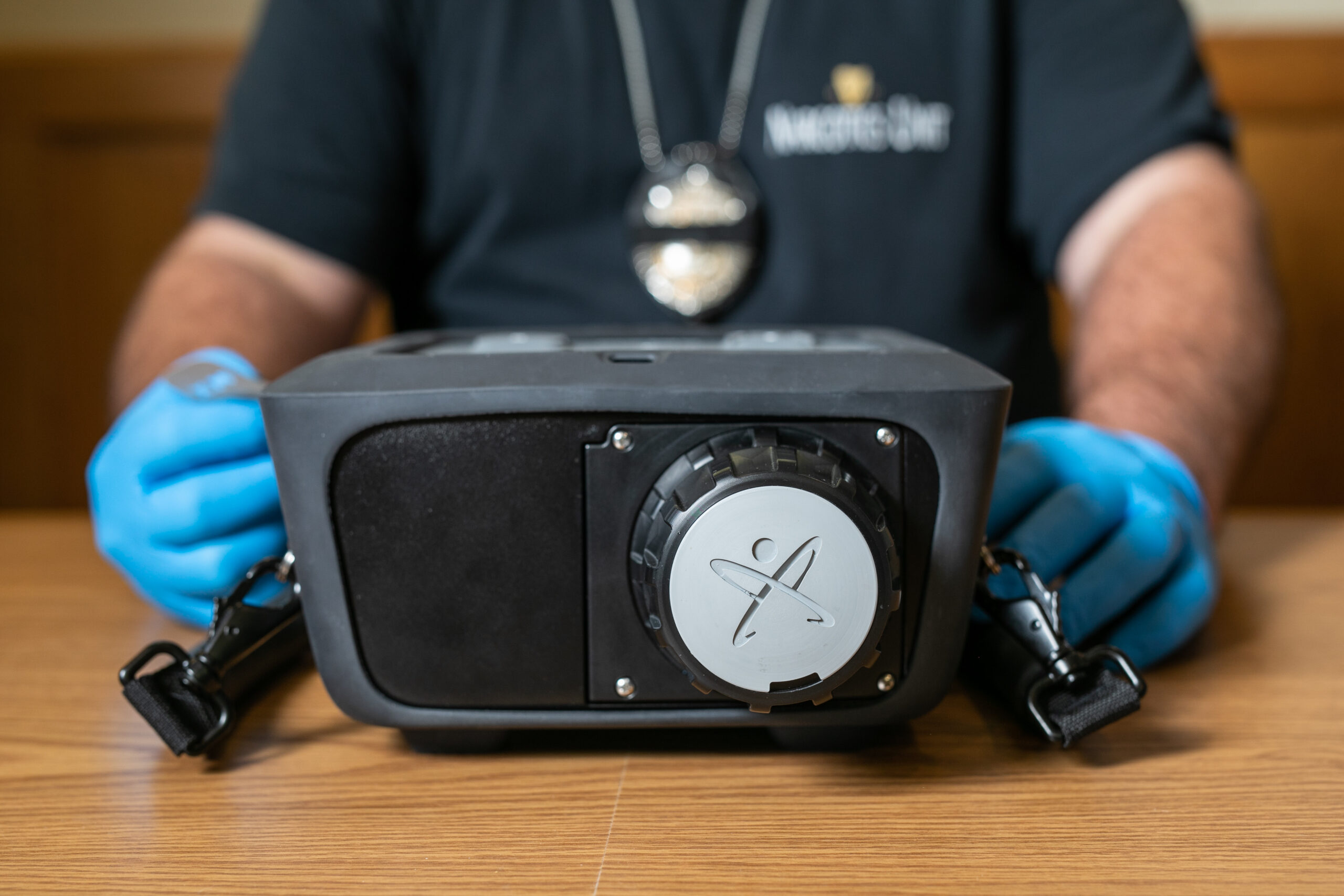
For higher-risk situations — unknown powders, suspected fentanyl analogues, or materials flagged during intake that warrant a deeper look — MX908 gives sheriff’s offices a way to strengthen contraband interdiction at key points of vulnerability inside the jail. Whether personnel are evaluating inmate property, investigating an unknown substance, or responding to a critical incident, the instrument helps move the agency from uncertainty to informed action.
Together, these tools create a screening posture that covers the full range of narcotics threats a detention facility encounters — from the routine to the serious.
That shift matters operationally. It helps personnel make better decisions faster. It also matters institutionally. When a critical incident occurs, sheriffs are expected to show that they took reasonable, proactive steps to prevent it. Agencies that equip their teams with modern tools are in a far stronger position to demonstrate diligence, preparedness, and sound operational judgment.
The public does not view an overdose in a jail in the same way it views one elsewhere. In the public mind, the sheriff is responsible for maintaining control over what comes in and out of the facility. Fair or not, that is the standard. When the agency can show that it has invested in tools and procedures designed to identify dangerous substances before they become an emergency, that standard is easier to defend.
At its core, this is about more than narcotics detection. It is about maintaining confidence in the security of the jail, protecting staff, and reducing the chances that a contraband failure becomes a headline. Sheriffs know that every weak point in a detention operation eventually gets tested. The question is whether the agency has the capability to respond before a risk becomes a crisis.
Inside the walls, control matters. And in today’s environment, maintaining that control requires tools built for the threats jails now face.
Visit us at the National Sheriff’s Association Annual Conference:
June 8-11, in Omaha, Nebraska
You can find us at Booth #743 to see a demo with NIRLab and MX908 in action.