Why “Soft Targets and Crowded Places” Now Matter More in DHS Grant Strategy
DHS grant language is evolving in an important way. The focus is no longer limited to protecting fixed critical infrastructure. It is increasingly about protecting people in publicly accessible environments, the places communities use every day and the events that draw large crowds. FEMA’s current preparedness guidance explicitly identifies “enhancing the protection of soft targets and crowded places” as a National Priority Area, alongside examples such as faith-based organizations and election sites.
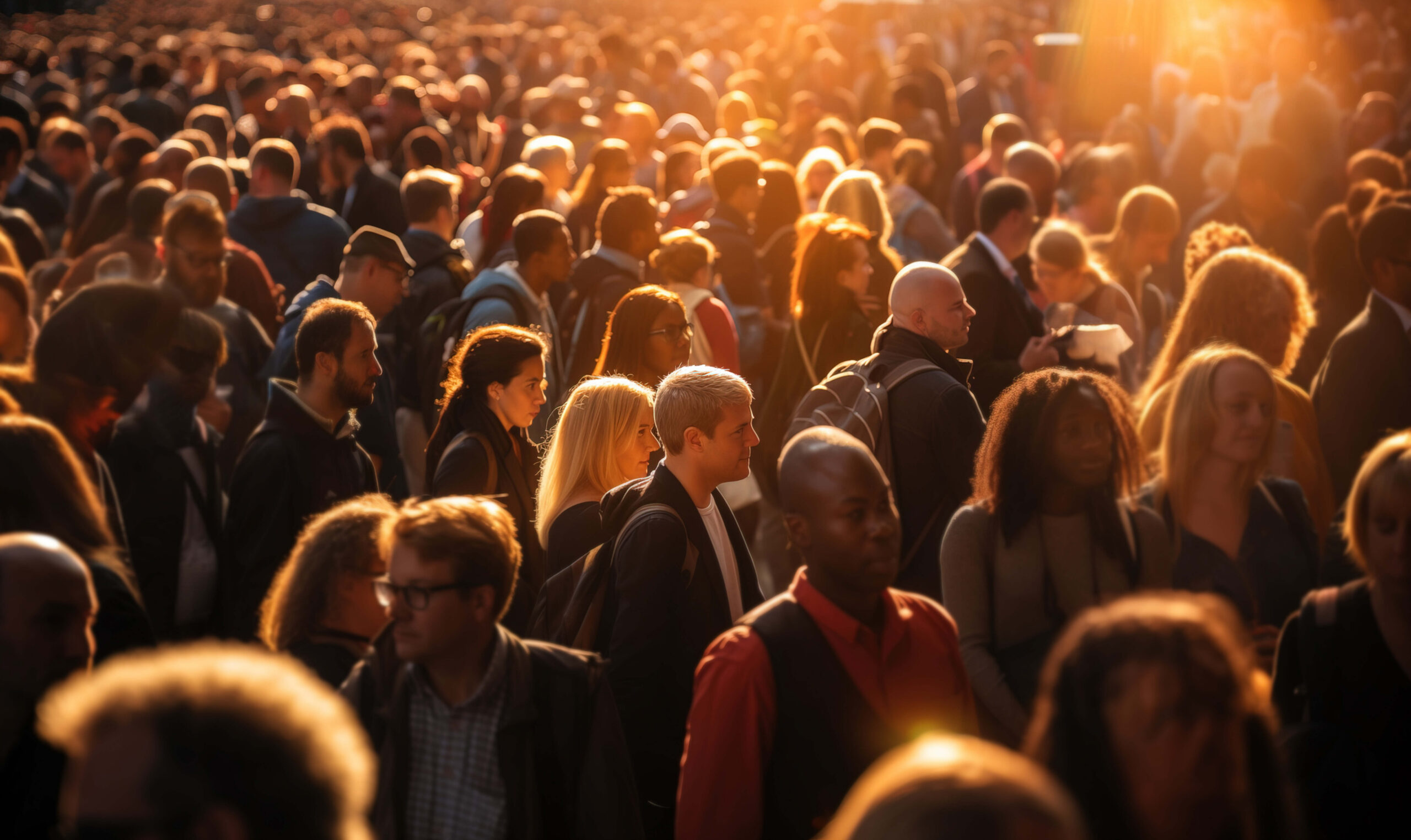
For public safety leaders, this matters because it changes how risk should be framed in grant applications. A soft target is not just a location with weak security. It is often a place that is intended to remain open, accessible, and functional, a transit hub, stadium, festival site, shopping district, house of worship, or other public gathering location. CISA’s public guidance on securing public gatherings points to exactly these kinds of environments, including music festivals, sporting events, places of worship, restaurants, and shopping centers.
That distinction is strategic. Traditional infrastructure protection tends to center on hardened assets and perimeter defense. Soft target protection is different. It requires agencies to think in terms of mass attendance, public access, operational coordination, situational awareness, screening, and response in dynamic environments. In other words, the mission is not simply protecting a facility. It is reducing vulnerability where openness itself creates risk.
This shift is especially relevant for DHS/FEMA preparedness grants such as HSGP, SHSP, and UASI, where applicants need to align projects to national priorities. It is also visible in special-event funding. FEMA’s FIFA World Cup Grant Program provides $625 million to support security and preparedness for the 2026 tournament in U.S. host cities, one of the clearest recent examples of crowded-place security moving to the center of federal preparedness investment.
For grant writers, the implication is clear: stronger applications will use language that reflects this operating environment. That means describing publicly accessible venues, high-attendance events, crowd-based vulnerability, protective security measures, operational coordination, and risk-informed preparedness, not just generic equipment needs. The most persuasive proposals will show how an investment helps secure places that must stay open while improving readiness before, during, and after an incident.
The bigger point is this: DHS is signaling that preparedness is increasingly about protecting continuity, confidence, and life safety in open public spaces. Agencies that understand that shift and write to it clearly will be better positioned to compete for funding and have their grant strategy better aligned to the way homeland security priorities are now being defined.